
Wir verwenden Cookies

Diese Website nutzt Google Analytics, um die Nutzung zu analysieren und unser Angebot zu verbessern. Ihre Zustimmung ist freiwillig und kann jederzeit widerrufen werden.

DGI-zertifizierte ImplantologinÜber 95% Erfolgsrate13+ Jahre Erfahrung

Teeth Grinding Treatment Munich | Dentist Christina Dickel

Nocturnal teeth grinding damages teeth and jaw joints. With custom-made splints we effectively protect your teeth.

What Is Bruxism?

Bruxism — commonly known as teeth grinding — refers to the involuntary, usually unconscious clenching and grinding of the teeth. It is one of the most common dental functional disorders: estimates suggest that around 20% of the population is affected — many without knowing it. Bruxism is a widespread condition that is often only recognized when significant damage to the teeth, jaw joint, or muscles has already occurred.

Two main forms are distinguished: Sleep bruxism (nocturnal grinding and clenching during sleep) and Awake bruxism (unconscious clenching and grinding during the day, often in stressful situations, during concentration, or tension). Many patients suffer from both forms simultaneously. During sleep bruxism, enormous forces act on the teeth — up to ten times stronger than during normal chewing — because the protective feedback loop of the waking brain is absent.

The consequences of bruxism are diverse and can extend far beyond the oral cavity:

  • Tooth abrasion and loss of tooth substance: The chewing surfaces are ground down, tooth enamel is lost, and teeth become shorter and more sensitive. In severe cases, a so-called abrasion dentition develops, where the tooth crowns are extensively worn away.
  • Temporomandibular Disorder (TMD): Bruxism is one of the main causes of TMD — a functional disorder of the masticatory system that causes jaw joint pain, clicking in the jaw joint, and limited mouth opening.
  • Headaches and migraines: Chronic tension in the masticatory muscles frequently radiates to the temples and forehead, causing tension-type headaches that are often mistakenly treated as migraines.
  • Tinnitus and ear pain: The close anatomical relationship between the jaw joint and the middle ear can lead to ear noises (tinnitus), ear pressure, and hearing loss in bruxism.
  • Neck pain and back problems: The masticatory muscles are functionally connected to the neck and shoulder muscles. Chronic bruxism can lead to tension throughout the entire head-neck area.

Bruxism is not a harmless phenomenon that should be ignored. Early diagnosis and treatment protects your teeth from irreversible damage and can alleviate or eliminate numerous accompanying symptoms.

Bruxismus: Zähneknirschen und Kieferpressen im Überblick
Zähneknirschen (Bruxismus): Unbewusstes Pressen und Knirschen belastet Zähne, Kiefer und Muskulatur.

Causes and Risk Factors

Bruxism is a multifactorial condition — there is no single cause, but rather an interplay of various factors that trigger or exacerbate grinding and clenching. Understanding these causes is crucial for targeted and sustainable therapy.

Zahnabrasion durch Bruxismus: Fortschreitender Zahnverschleiß
Zahnverschleiß durch Knirschen: Von leichter Schmelzabrasion bis zum schweren Abrasionsgebiss.

Stress and Psychological Burden — The Main Cause

Psycho-emotional stress is considered the most important trigger for bruxism. Professional pressure, private conflicts, performance expectations, and underlying anxieties cause tension to be "processed" through the masticatory muscles — often unconsciously and especially at night. Studies show a clear correlation: the higher the stress level, the stronger the grinding activity. Anxiety disorders, depression, and burnout are also significantly associated with bruxism.

Occlusal Disorders and Malocclusion

When the upper and lower jaws do not meet correctly — for example due to a crossbite, open bite, or missing teeth — the masticatory system may attempt to compensate for the misalignment through grinding and clenching. Occlusal disorders can also be triggered or worsened after dental treatments (fillings that are too high, poorly fitting crowns). Precise analysis of the bite position is therefore a central component of our diagnostics.

Sleep Disorders and Sleep Apnea

Bruxism frequently occurs together with sleep disorders — particularly with obstructive sleep apnea (OSA). In sleep apnea, repeated breathing pauses occur during sleep, triggering micro-arousals (brief awakening reactions). These arousals are frequently accompanied by grinding and clenching episodes. If you snore, feel tired during the day, and grind your teeth at the same time, a sleep medicine evaluation should be conducted.

Medications and Substances

Certain medications can trigger or worsen bruxism — particularly:

  • SSRI antidepressants (sertraline, fluoxetine, paroxetine): among the most common medication-related triggers
  • Amphetamines and stimulants (including ADHD medication such as methylphenidate)
  • High doses of caffeine (more than 4–5 cups of coffee daily)
  • Alcohol (evening consumption in particular intensifies nocturnal grinding)
  • Recreational drugs (ecstasy/MDMA, cocaine)

If you take any of these medications and suffer from bruxism, this should be considered as part of our functional analysis — in consultation with the prescribing physician, a change of medication may be considered.

Diagnosis: Functional Analysis and TMD Diagnostics

Precise diagnostics is the key to successful bruxism treatment. In our practice, we rely on comprehensive functional diagnostics that goes far beyond simply identifying abrasion marks. Only when we know the exact causes and the extent of the functional disorder can we plan therapy individually and precisely.

Klinische Funktionsanalyse bei CMD und Bruxismus
Funktionsanalyse: Präzise Untersuchung von Kiefergelenk, Bisslage und Muskulatur zur Ursachenfindung.

Clinical Functional Analysis

The clinical functional analysis is the basic examination when bruxism and TMD are suspected. It includes:

  • Muscle palpation: Systematic examination of the masticatory muscles — m. masseter, m. temporalis, m. pterygoideus medialis and lateralis — for tenderness, indurations (trigger points), and hypertrophy. Tense and thickened masticatory muscles are a clear sign of chronic bruxism.
  • Jaw joint examination: Palpation and auscultation of the jaw joints during mouth opening and closing. We check for clicking, grinding (crepitation), pain, and movement restrictions.
  • Bite position and occlusion: Analysis of how the upper and lower jaws relate to each other. Are the teeth loaded evenly? Are there premature contacts (teeth that meet first) or gliding interferences during lateral movements?
  • Abrasion patterns: Examination of the chewing surfaces for wear patterns that provide information about the intensity and direction of grinding. Typical signs are mirror-smooth ground surfaces (facets) on the canines and posterior teeth.

Instrumental Functional Analysis

For complex findings or to plan splint therapy, we perform an instrumental functional analysis:

  • Facebow registration: A facebow transfers the spatial position of the upper jaw relative to the jaw joint onto an articulator (chewing simulator). This allows us to precisely reproduce jaw movements outside the mouth.
  • Articulator mounting and bite registration: The jaw models are mounted in the articulator and the jaw joint movements are simulated. This enables detailed analysis of the occlusal relationships and is the basis for producing a precise, custom occlusal splint.

CBCT for Jaw Joint Findings

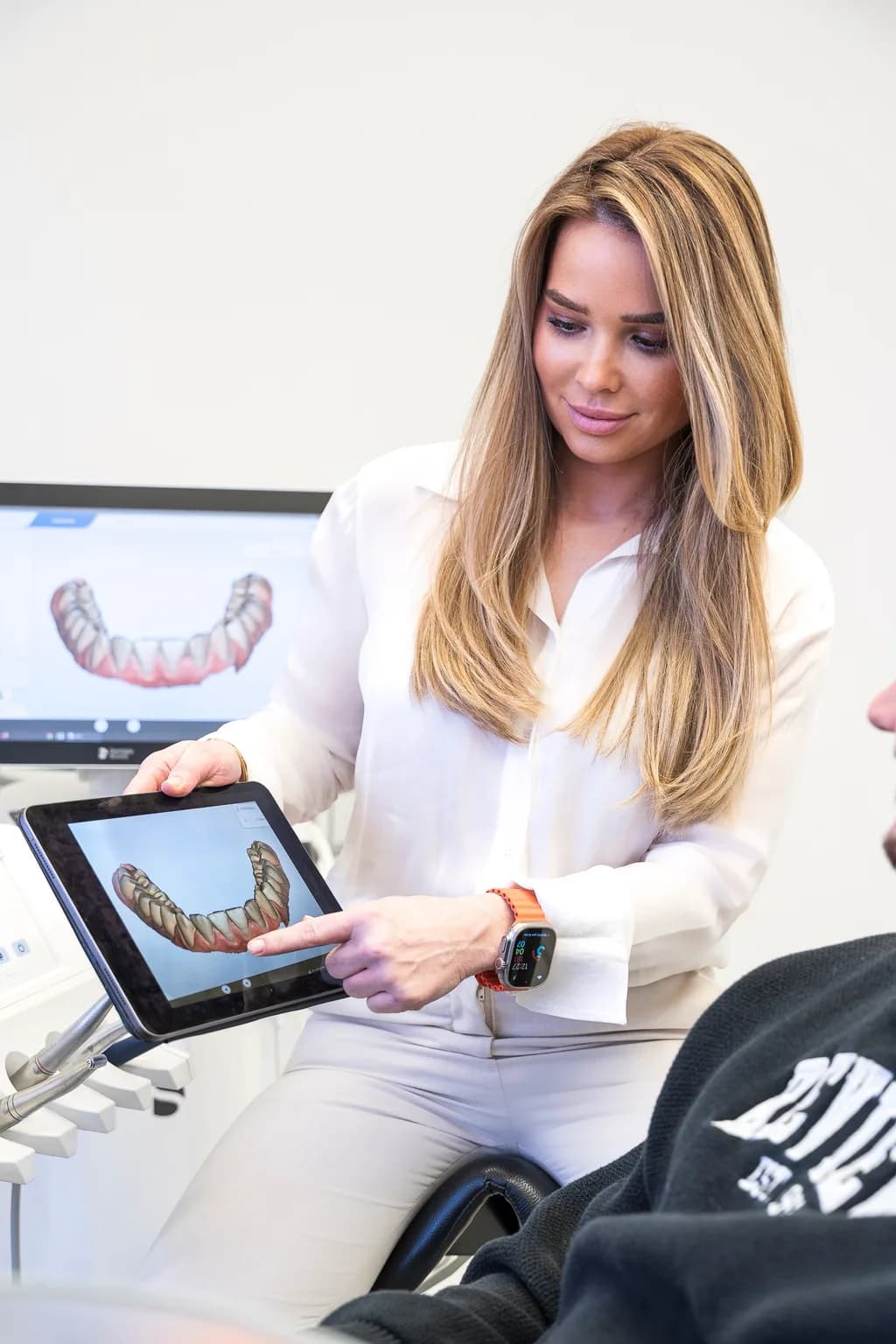
When the clinical examination indicates structural changes in the jaw joint — such as clicking, grinding noises, or limited mouth opening — we supplement the diagnostics with a CBCT scan (Cone Beam Computed Tomography). The three-dimensional X-ray image shows the bony structures of the jaw joint in high resolution: flattening of the joint surfaces, osteophytes (bony projections), erosions, or changes in the position of the condyle can be detected early and incorporated into therapy planning.

Splint Therapy

Splint therapy is the most important and proven treatment method for bruxism. A custom-made occlusal splint (bite splint) protects the teeth from further wear, relaxes the masticatory muscles, and relieves the jaw joint. The splint is not a cure in the true sense — it does not eliminate the cause of grinding — but it prevents the destructive consequences and gives the masticatory system the rest it needs to regenerate.

Individuelle Aufbissschiene gegen Zähneknirschen
Individuelle Aufbissschiene: Schutz der Zähne und Entspannung der Kiefermuskulatur.

Aqualizer — Immediate Acute Relief

The Aqualizer is a prefabricated water-cushion splint used as an immediate measure for acute jaw joint discomfort, muscle tension, and headaches. It consists of two water-filled cushions placed between the posterior teeth that automatically bring the jaw into a relaxed position — the hydrostatic principle immediately compensates for load imbalances.

The Aqualizer is an excellent diagnostic tool: if your symptoms improve within a few minutes with the Aqualizer, this is a strong indication that an occlusal disorder is the cause — and that individual splint therapy promises success. The Aqualizer is also used as a bridge until the custom splint is completed.

Custom Occlusal Splint (Bite Splint)

The custom occlusal splint is manufactured in the dental laboratory based on the functional analysis and precise jaw impressions (or digital scans). It is made of transparent, high-quality acrylic and is usually worn on the upper jaw.

The splint has several therapeutic functions:

  • Tooth protection: It forms a barrier between the upper and lower teeth and prevents direct tooth contact — the wear occurs on the splint material, not on your teeth.
  • Muscle relaxation: The altered bite position on the splint relaxes the overactive masticatory muscles. Trigger points resolve, and headaches and neck tension decrease.
  • Jaw joint relief: The splint guides the lower jaw into a physiologically favorable position (centric relation) and relieves the jaw joint.
  • Proprioceptive effect: Wearing the splint changes the sensory feedback in the mouth and measurably reduces grinding intensity.

Michigan Splint

The Michigan splint (also: stabilization splint) is the gold standard of splint therapy for bruxism and TMD. It features a special design of the chewing surface: in the so-called canine guidance, the posterior teeth are immediately separated during lateral movements — only the canines guide the movement. This corresponds to the natural, physiological masticatory function and significantly reduces the muscle activity of the masticatory muscles.

The Michigan splint is produced in the articulator based on the instrumental functional analysis and requires several adjustment and follow-up appointments until the splint fits perfectly and the bite position is optimally set.

Follow-Up and Adjustment

Splint therapy is not a one-time procedure but a dynamic process. In regular follow-up sessions (initially after 1–2 weeks, then at longer intervals), we check:

  • Wearing comfort and fit of the splint
  • Even contacts of all posterior teeth on the splint
  • Correct canine guidance during lateral movements
  • Wear patterns on the splint (showing intensity and direction of grinding)
  • Development of symptoms (muscle pain, headaches, jaw joint)

If necessary, the splint is adjusted or refined. With heavy wear, the splint needs to be replaced after 1–3 years. Most patients report noticeable improvement of symptoms within a few days to weeks.

Advanced Therapies: Botox, Biofeedback & More

When splint therapy alone is not sufficient or severe forms of bruxism are present, advanced therapeutic approaches are employed. Modern bruxism treatment is multimodal — it combines various measures from dentistry, medicine, and behavioral therapy to comprehensively treat grinding and its consequences.

Botox-Therapie bei Bruxismus: Injektion in den Kaumuskel
Botox-Therapie: Gezielte Entspannung des Massetermuskels bei schwerem Bruxismus.

Botox Therapy for Masseter Hypertrophy

For patients with pronounced hypertrophy of the m. masseter (enlarged masticatory muscle that makes the face appear wider) and severe grinding symptoms, botulinum toxin (Botox) injection has become an established treatment option. Botox inhibits signal transmission between nerve and muscle, leading to a controlled weakening of the masticatory muscle — grinding is not eliminated but the forces involved are significantly reduced.

Procedure: In a brief treatment (approx. 10–15 minutes), Botox is injected at several points into the m. masseter on both sides. The effect sets in after approx. 3–7 days and typically lasts 3–6 months. The treatment is repeated as needed. Many patients also report an aesthetic slimming of the lower face in addition to reduced grinding.

Important: Botox does not treat the cause of bruxism but reduces muscular forces and associated symptoms. It is particularly useful as a complementary measure for patients who continue to suffer from severe muscle pain, headaches, or jaw joint problems despite splint therapy.

Biofeedback Therapy

Biofeedback is a behavioral therapy approach in which the unconscious muscle activity of the masticatory muscles is measured via sensors and reported back to the patient in real time — for example through an acoustic or vibrating signal. The goal is to learn conscious control over grinding and clenching.

Biofeedback is particularly effective for awake bruxism: the patient is immediately alerted during daily life when they clench their teeth and can consciously release and relax. For nocturnal bruxism, biofeedback devices are used that deliver a mild stimulus during grinding activity, reducing grinding intensity without disturbing sleep.

Osteopathy and Physiotherapy

Bruxism affects not only the teeth but the entire craniomandibular system — the jaw joint, masticatory muscles, neck, shoulders, and cervical spine are functionally connected. Osteopathy and manual physiotherapy are important complements to dental treatment:

  • Releasing muscular tension and trigger points in the masticatory, neck, and shoulder muscles
  • Mobilization of the jaw joint and cervical spine
  • Craniosacral therapy for relaxation of the entire head-neck system
  • Learning stretching exercises and home exercises

We work with experienced physiotherapists and osteopaths in Munich and are happy to provide you with appropriate contacts.

Stress Management and Behavioral Therapy

Since stress is the main cause of bruxism, behavioral therapy or structured stress management can achieve the greatest long-term therapeutic success. Approaches such as Progressive Muscle Relaxation according to Jacobson, Autogenic Training, mindfulness exercises (Mindfulness-Based Stress Reduction), and cognitive behavioral therapy have shown significant reduction in bruxism activity in studies.

In our practice, we advise you comprehensively about these options and support the interdisciplinary approach — we treat the dental consequences while specialized therapists work on the causes.

Repairing Tooth Damage

Years of grinding and clenching can leave significant damage to the tooth substance — from mild enamel loss to severe abrasion dentition. The good news: this damage can be repaired with modern restorative dentistry to restore the original tooth shape, function, and aesthetics.

CMD-Zusammenhang: Kiefer, Nacken und Kopfschmerzen bei Bruxismus
CMD: Wie Zähneknirschen Kopfschmerzen, Nackenverspannungen und Ohrgeräusche auslösen kann.

Abrasion Dentition

In abrasion dentition, the chewing surfaces of the teeth are extensively worn down by chronic grinding. The teeth become shorter, the bite height decreases (bite collapse), and the face can appear optically "shortened." The exposed dentin layers are softer than tooth enamel and wear down even faster — a vicious cycle. Additionally, the teeth become temperature-sensitive and more susceptible to cavities.

Restoration: Composite, Veneers, and Crowns

The restoration of abraded teeth is performed using various methods depending on the extent of damage:

  • Composite build-ups: For mild to moderate substance loss, the chewing surfaces and incisal edges can be directly built up with high-quality composite (tooth-colored resin). The method is minimally invasive, preserves tooth substance, and can be completed in a single session.
  • Veneers: Wafer-thin ceramic shells are bonded to the visible tooth surfaces — ideal for front teeth that have been shortened or chipped by grinding. Veneers offer excellent aesthetics and longevity.
  • Crowns and partial crowns: For severe substance loss affecting the entire chewing surface, all-ceramic crowns or partial crowns are the treatment of choice. They cover the entire visible tooth and restore stability, function, and aesthetics. Thanks to CEREC technology, we produce ceramic crowns digitally and often in a single session.

Sequence: Treat Bruxism First, Then Restore

A crucial principle: Before elaborate restorations (veneers, crowns) are made, bruxism must be under control. Otherwise, the new restorations will be destroyed just as quickly as the natural teeth. This means:

  1. Diagnose bruxism (functional analysis, investigation of causes)
  2. Treat bruxism (splint therapy, possibly Botox, stress management)
  3. Wait for symptom relief and stability (several months of monitoring)
  4. Restorative phase (build-ups, veneers, crowns) — followed by splint protection for the new restorations

Even after restoration, wearing an occlusal splint remains important — it protects your veneers, crowns, and natural teeth from renewed wear.

Costs and Insurance Coverage

The costs of bruxism treatment depend on the type and scope of therapy. Some services are covered by statutory health insurance (GKV), while others are private services.

Statutory Health Insurance (GKV)

The GKV covers the following services as part of bruxism treatment:

  • Occlusal splint: The production of a simple occlusal splint is covered by insurance — after dental prescription and approval by the health insurance fund. The co-payment is 0 EUR. However, the insurance-covered version is a simple grinding splint that does not meet the standard of an individually adjusted Michigan splint.
  • Clinical functional analysis: Partially covered by the GKV, usually as part of TMD diagnostics.

Not covered by the GKV are:

  • Instrumental functional analysis (facebow, articulator mounting): approx. 200–500 EUR
  • Individually adjusted Michigan splint (additional cost beyond the insurance-covered version)
  • Botox therapy: approx. 300–600 EUR per session (bilateral m. masseter)
  • Biofeedback therapy
  • Osteopathy and specialized physiotherapy (partial reimbursement possible through supplementary insurance)

Private Health Insurance (PKV)

Reimbursement by private health insurers varies depending on the plan. PKV plans typically reimburse:

  • Instrumental functional analysis — usually in full
  • Individually adjusted occlusal splints — usually in full
  • Botox therapy — depending on the plan and medical indication
  • CBCT diagnostics — included in most plans

We prepare a detailed treatment and cost plan in advance for submission to your insurer and advise you transparently about the expected costs and reimbursement options.

Payment Plans and Financing

For private services and co-payments, we offer flexible installment payment plans. Optimal treatment should not fail due to financing — please ask us about this during the consultation.

Why Dr. Dickel for Teeth Grinding?

The treatment of bruxism requires a comprehensive understanding of the masticatory system, precise diagnostics, and an interdisciplinary therapeutic approach. In our practice in Munich-Oberfoehring, we combine all the prerequisites for successful bruxism treatment:

  • TMD expertise and comprehensive functional analysis: Clinical and instrumental functional analysis, facebow registration, and articulator mounting — we systematically and thoroughly diagnose the causes of your grinding, not just the symptoms.
  • Multimodal therapeutic approach: From splint therapy and Botox injections to coordination with physiotherapists, osteopaths, and behavioral therapists — we treat bruxism holistically and individually.
  • CBCT 3D diagnostics: For jaw joint findings, our in-house Cone Beam Computed Tomography provides millimeter-precise three-dimensional images of the joint structures — without referral to a radiology center.
  • CEREC immediate restoration: When tooth damage needs to be restored after bruxism control, we produce crowns, partial crowns, and veneers digitally and often in a single session — precise, tooth-colored, and long-lasting.
  • Sedation options for anxious patients: Nitrous oxide, twilight sedation, and general anesthesia — for a relaxed treatment even for extensive restorations after long-term bruxism.
  • Everything under one roof: Diagnostics, splint therapy, Botox, restorative care (veneers, crowns) and periodontics — without referrals to various specialists.

Schedule a consultation appointment. We take the time for a thorough functional analysis, explain the results to you clearly, and create an individual treatment plan that protects your teeth and alleviates your symptoms.

Kosten im Überblick

Occlusal Splint (GKV version)

0 EUR co-payment

Simple grinding splint after dental prescription and approval by the statutory health insurance fund. The individually adjusted Michigan splint is a private service (approx. 400–800 EUR).

Functional Analysis (instrumental)

200–500 EUR

Instrumental functional analysis with facebow registration and articulator mounting — the basis for precise production of a Michigan splint. Private service, usually reimbursed by PKV.

Botox Therapy (m. masseter, bilateral)

300–600 EUR

Botulinum toxin injection into the m. masseter on both sides. Duration of effect 3–6 months. Private service — PKV reimbursement depending on plan and indication.

The GKV covers the production of a simple occlusal splint (after approval) and the clinical functional analysis partially. Instrumental functional analysis, Michigan splint, Botox, and biofeedback are not covered by statutory insurance.

Private health insurers generally reimburse the instrumental functional analysis and individually adjusted splints in full. Reimbursement of Botox therapy varies depending on the plan and medical indication. We prepare a detailed treatment and cost plan in advance for submission to your insurer.

For private services and co-payments, we offer flexible installment payment plans. Optimal treatment should not fail due to financing — please ask us about this during the consultation.

Risiken und Sicherheit

The treatment of bruxism is generally low-risk. Splint therapy and functional analysis are side-effect-free procedures. With advanced therapies such as Botox, mild, temporary side effects may occur.

Jaw joint problems from an incorrect splint

Rare

Can occur if a splint is made without prior functional analysis or if the bite position is not correctly set. Through our instrumental functional analysis and regular follow-up appointments, we minimize this risk. A correctly adjusted splint relieves the jaw joint rather than stressing it.

Muscle tension during the adjustment period

Occasional (first 1–2 weeks)

When getting used to a new occlusal splint, temporary mild tension or a foreign body sensation may occur. This usually normalizes within 1–2 weeks. If discomfort persists, the splint is adjusted.

Botox: Temporary chewing weakness

Common (desired effect)

A slight reduction in chewing force is the desired therapeutic effect and is well compensated by the body. Hard food (e.g., steaks, nuts) may be somewhat more difficult to chew in the first few weeks. Chewing force normalizes completely within 3–6 months.

Allergic reaction to botulinum toxin

Very rare (< 0.1%)

Allergic reactions to botulinum toxin are extremely rare. Before the first treatment, we take a detailed allergy history. The treatment takes place in the practice under medical supervision, so that immediate response is possible in case of unexpected reactions.

In our practice, we minimize risks through thorough clinical and instrumental functional analysis before every splint therapy, individual adjustment of the splint in the articulator, regular follow-up appointments for review and adjustment, CBCT diagnostics for jaw joint findings, and experienced and precisely dosed Botox application. For anxious patients, sedation options (nitrous oxide, twilight sedation, general anesthesia) are available for a relaxed treatment.

Häufige Fragen

Typical signs of bruxism include: ground-down, shortened, or flattened chewing surfaces, morning jaw pain or facial tension, frequent headaches (especially in the morning or at the temples), sensitive teeth (to cold, heat), enamel cracks, tooth imprints on the tongue edges or inner cheek, and reports from a partner who hears nocturnal grinding. Many sufferers do not notice their grinding themselves — the diagnosis is often made by the dentist based on abrasion patterns.
The occlusal splint does not prevent grinding itself, but it reliably protects your teeth from further wear. In addition, an individually adjusted splint demonstrably relaxes the masticatory muscles and relieves the jaw joint. Most patients report noticeable improvement in jaw pain, headaches, and neck tension within a few days to weeks. The splint is the most important immediate measure but is ideally supplemented by cause-oriented therapies (stress management, possibly Botox).
Most patients wear the splint permanently at night — bruxism is a chronic functional disorder that can improve with stress reduction and behavioral change but often does not disappear completely. At the beginning of therapy, we recommend wearing it every night. Over time, the wearing frequency can be reduced depending on symptoms. During periods of stress, the splint should be worn consistently. With regular use, the splint lasts approximately 1–3 years and is then replaced.
Yes, Botox injection into the masticatory muscle (m. masseter) is an established and safe procedure. Botulinum toxin has been used in medicine for decades and is very well tolerated when properly dosed and administered. Possible side effects include temporary mild chewing weakness (which develops in the first 1–2 weeks and is compensated by the body) and, in very rare cases, a slight bruise at the injection site. Allergic reactions are extremely rare. The effect is reversible and wears off on its own after 3–6 months.
Yes, teeth grinding in childhood is very common and in many cases harmless. Especially during the eruption of baby teeth and during the tooth change (approx. ages 6–12), many children grind — the masticatory system is "orienting" itself. In most cases, the grinding stops on its own. However, if grinding persists beyond the tooth change, is associated with pain, or if the baby teeth are excessively worn, a dental examination should be conducted. An occlusal splint is rarely necessary for children.
Bruxism and TMD (Temporomandibular Disorder) are closely linked. Bruxism is one of the most common causes of TMD: chronic grinding and clenching overloads the masticatory muscles and jaw joint and can lead to jaw joint pain, clicking, limited mouth opening, headaches, and neck tension. Conversely, TMD can also worsen bruxism. That is why our diagnostics always includes a complete TMD examination.
A simple occlusal splint (grinding splint) is covered by insurance after approval by the health insurance fund — the co-payment is 0 EUR. An individually adjusted Michigan splint, which is produced in the articulator following instrumental functional analysis, is more elaborate and costs approximately 400–800 EUR as a private service. The instrumental functional analysis itself costs approximately 200–500 EUR. Private health insurers generally reimburse these costs. We advise you transparently about the applicable costs before starting treatment.
In many cases, bruxism can be significantly improved or even completely stopped by eliminating the triggering factors — for example through stress reduction, treatment of sleep disorders, or changing medications that promote grinding. However, many sufferers are prone to relapses, especially during stressful periods. Therefore, we recommend wearing the occlusal splint long-term at night — as a protective measure, even when symptoms have subsided. The goal of treatment is not necessarily complete cure but rather protecting the teeth and achieving freedom from symptoms.
In addition to dental therapy, you can do a lot yourself: During the day, consciously pay attention to tooth contact — the teeth should never touch when at rest (lips together, teeth apart). Practice relaxation techniques such as Progressive Muscle Relaxation, yoga, or meditation. Reduce caffeine and alcohol consumption, especially in the evening. Avoid chewing gum. Apply warm compresses to tense masticatory muscles. For severe psychological stress, behavioral therapy can be very helpful.
The first point of contact for teeth grinding is your dentist — specifically one with experience in functional diagnostics and TMD treatment. The dentist makes the diagnosis, produces the occlusal splint, and coordinates further therapy if needed. Depending on the cause and accompanying symptoms, other specialties may be involved: ENT doctor and sleep medicine specialist (for sleep apnea), physiotherapist/osteopath (for muscular complaints), psychotherapist (for stress-related bruxism), and neurologist (for suspected neurological cause).
Sleep bruxism occurs unconsciously during sleep and manifests primarily as rhythmic grinding (chewing movements). The forces involved are particularly high because the protective control of the waking brain is absent. Awake bruxism, on the other hand, manifests during the day as unconscious clenching of the teeth — often in stressful situations, during concentration, or emotional tension. The grinding movements are less pronounced. Both forms can occur simultaneously and require different therapeutic approaches: sleep bruxism is primarily treated with the occlusal splint, while awake bruxism responds particularly well to biofeedback and behavioral therapy.
The effect of Botox does not set in immediately but develops over the first 3–7 days after injection. Full effect is reached after approximately 2–4 weeks. During this time, most patients notice a significant decrease in jaw tension, headaches, and tenderness. The effect typically lasts 3–6 months. With repeated treatments, the effect often extends longer as the muscle loses volume and the grinding habit is interrupted.

Qualifikationen und Zertifikate

DGI — German Society for Implantology

Membership

DGZMK — German Society for Dental, Oral and Maxillofacial Medicine

Membership

DGAEZ — German Society for Aesthetic Dentistry

Membership

CEREC Certification — Digital CAD/CAM Dental Restoration

Certified

CBCT 3D Diagnostics — Cone Beam Computed Tomography

Practice Equipment

Sedation Options — Nitrous Oxide, Twilight Sedation, General Anesthesia

Anesthesia sessions with specialist anesthesiologist

Bereit für Ihr strahlendes Lächeln?

Vereinbaren Sie jetzt Ihr kostenloses Beratungsgespräch. Wir freuen uns auf Sie.

Verwandte Leistungen

Ready for your
Teeth Grinding (Bruxism)?

Schedule your consultation appointment today and let our expertise convince you. We look forward to helping you achieve a healthy and radiant smile.

Treatment Overview:

Treatment Duration:
Sessions:
Investment:
Specialist: Dentist Dickel

Contact & Directions

Dental Practice Christina Dickel
Oberföhringer Straße 183a, 81925 München

Opening Hours

Mon:08:00-19:00
Tue:08:00-19:00
Wed:08:00-19:00
Thu:08:00-19:00
Fri:08:00-13:00
13+
Years Experience
4.9
★★★★★ Rating
100%
Satisfaction

Causes and Risk Factors

Bruxism is a multifactorial condition — there is no single cause, but rather an interplay of various factors that trigger or exacerbate grinding and clenching. Understanding these causes is crucial for targeted and sustainable therapy.

Stress and Psychological Burden — The Main Cause

Psycho-emotional stress is considered the most important trigger for bruxism. Professional pressure, private conflicts, performance expectations, and underlying anxieties cause tension to be "processed" through the masticatory muscles — often unconsciously and especially at night. Studies show a clear correlation: the higher the stress level, the stronger the grinding activity. Anxiety disorders, depression, and burnout are also significantly associated with bruxism.

Occlusal Disorders and Malocclusion

When the upper and lower jaws do not meet correctly — for example due to a crossbite, open bite, or missing teeth — the masticatory system may attempt to compensate for the misalignment through grinding and clenching. Occlusal disorders can also be triggered or worsened after dental treatments (fillings that are too high, poorly fitting crowns). Precise analysis of the bite position is therefore a central component of our diagnostics.

Sleep Disorders and Sleep Apnea

Bruxism frequently occurs together with sleep disorders — particularly with obstructive sleep apnea (OSA). In sleep apnea, repeated breathing pauses occur during sleep, triggering micro-arousals (brief awakening reactions). These arousals are frequently accompanied by grinding and clenching episodes. If you snore, feel tired during the day, and grind your teeth at the same time, a sleep medicine evaluation should be conducted.

Medications and Substances

Certain medications can trigger or worsen bruxism — particularly:

  • SSRI antidepressants (sertraline, fluoxetine, paroxetine): among the most common medication-related triggers
  • Amphetamines and stimulants (including ADHD medication such as methylphenidate)
  • High doses of caffeine (more than 4–5 cups of coffee daily)
  • Alcohol (evening consumption in particular intensifies nocturnal grinding)
  • Recreational drugs (ecstasy/MDMA, cocaine)

If you take any of these medications and suffer from bruxism, this should be considered as part of our functional analysis — in consultation with the prescribing physician, a change of medication may be considered.

Diagnosis: Functional Analysis and TMD Diagnostics

Precise diagnostics is the key to successful bruxism treatment. In our practice, we rely on comprehensive functional diagnostics that goes far beyond simply identifying abrasion marks. Only when we know the exact causes and the extent of the functional disorder can we plan therapy individually and precisely.

Clinical Functional Analysis

The clinical functional analysis is the basic examination when bruxism and TMD are suspected. It includes:

  • Muscle palpation: Systematic examination of the masticatory muscles — m. masseter, m. temporalis, m. pterygoideus medialis and lateralis — for tenderness, indurations (trigger points), and hypertrophy. Tense and thickened masticatory muscles are a clear sign of chronic bruxism.
  • Jaw joint examination: Palpation and auscultation of the jaw joints during mouth opening and closing. We check for clicking, grinding (crepitation), pain, and movement restrictions.
  • Bite position and occlusion: Analysis of how the upper and lower jaws relate to each other. Are the teeth loaded evenly? Are there premature contacts (teeth that meet first) or gliding interferences during lateral movements?
  • Abrasion patterns: Examination of the chewing surfaces for wear patterns that provide information about the intensity and direction of grinding. Typical signs are mirror-smooth ground surfaces (facets) on the canines and posterior teeth.

Instrumental Functional Analysis

For complex findings or to plan splint therapy, we perform an instrumental functional analysis:

  • Facebow registration: A facebow transfers the spatial position of the upper jaw relative to the jaw joint onto an articulator (chewing simulator). This allows us to precisely reproduce jaw movements outside the mouth.
  • Articulator mounting and bite registration: The jaw models are mounted in the articulator and the jaw joint movements are simulated. This enables detailed analysis of the occlusal relationships and is the basis for producing a precise, custom occlusal splint.

CBCT for Jaw Joint Findings

When the clinical examination indicates structural changes in the jaw joint — such as clicking, grinding noises, or limited mouth opening — we supplement the diagnostics with a CBCT scan (Cone Beam Computed Tomography). The three-dimensional X-ray image shows the bony structures of the jaw joint in high resolution: flattening of the joint surfaces, osteophytes (bony projections), erosions, or changes in the position of the condyle can be detected early and incorporated into therapy planning.

Splint Therapy

Splint therapy is the most important and proven treatment method for bruxism. A custom-made occlusal splint (bite splint) protects the teeth from further wear, relaxes the masticatory muscles, and relieves the jaw joint. The splint is not a cure in the true sense — it does not eliminate the cause of grinding — but it prevents the destructive consequences and gives the masticatory system the rest it needs to regenerate.

Aqualizer — Immediate Acute Relief

The Aqualizer is a prefabricated water-cushion splint used as an immediate measure for acute jaw joint discomfort, muscle tension, and headaches. It consists of two water-filled cushions placed between the posterior teeth that automatically bring the jaw into a relaxed position — the hydrostatic principle immediately compensates for load imbalances.

The Aqualizer is an excellent diagnostic tool: if your symptoms improve within a few minutes with the Aqualizer, this is a strong indication that an occlusal disorder is the cause — and that individual splint therapy promises success. The Aqualizer is also used as a bridge until the custom splint is completed.

Custom Occlusal Splint (Bite Splint)

The custom occlusal splint is manufactured in the dental laboratory based on the functional analysis and precise jaw impressions (or digital scans). It is made of transparent, high-quality acrylic and is usually worn on the upper jaw.

The splint has several therapeutic functions:

  • Tooth protection: It forms a barrier between the upper and lower teeth and prevents direct tooth contact — the wear occurs on the splint material, not on your teeth.
  • Muscle relaxation: The altered bite position on the splint relaxes the overactive masticatory muscles. Trigger points resolve, and headaches and neck tension decrease.
  • Jaw joint relief: The splint guides the lower jaw into a physiologically favorable position (centric relation) and relieves the jaw joint.
  • Proprioceptive effect: Wearing the splint changes the sensory feedback in the mouth and measurably reduces grinding intensity.

Michigan Splint

The Michigan splint (also: stabilization splint) is the gold standard of splint therapy for bruxism and TMD. It features a special design of the chewing surface: in the so-called canine guidance, the posterior teeth are immediately separated during lateral movements — only the canines guide the movement. This corresponds to the natural, physiological masticatory function and significantly reduces the muscle activity of the masticatory muscles.

The Michigan splint is produced in the articulator based on the instrumental functional analysis and requires several adjustment and follow-up appointments until the splint fits perfectly and the bite position is optimally set.

Follow-Up and Adjustment

Splint therapy is not a one-time procedure but a dynamic process. In regular follow-up sessions (initially after 1–2 weeks, then at longer intervals), we check:

  • Wearing comfort and fit of the splint
  • Even contacts of all posterior teeth on the splint
  • Correct canine guidance during lateral movements
  • Wear patterns on the splint (showing intensity and direction of grinding)
  • Development of symptoms (muscle pain, headaches, jaw joint)

If necessary, the splint is adjusted or refined. With heavy wear, the splint needs to be replaced after 1–3 years. Most patients report noticeable improvement of symptoms within a few days to weeks.

Advanced Therapies: Botox, Biofeedback & More

When splint therapy alone is not sufficient or severe forms of bruxism are present, advanced therapeutic approaches are employed. Modern bruxism treatment is multimodal — it combines various measures from dentistry, medicine, and behavioral therapy to comprehensively treat grinding and its consequences.

Botox Therapy for Masseter Hypertrophy

For patients with pronounced hypertrophy of the m. masseter (enlarged masticatory muscle that makes the face appear wider) and severe grinding symptoms, botulinum toxin (Botox) injection has become an established treatment option. Botox inhibits signal transmission between nerve and muscle, leading to a controlled weakening of the masticatory muscle — grinding is not eliminated but the forces involved are significantly reduced.

Procedure: In a brief treatment (approx. 10–15 minutes), Botox is injected at several points into the m. masseter on both sides. The effect sets in after approx. 3–7 days and typically lasts 3–6 months. The treatment is repeated as needed. Many patients also report an aesthetic slimming of the lower face in addition to reduced grinding.

Important: Botox does not treat the cause of bruxism but reduces muscular forces and associated symptoms. It is particularly useful as a complementary measure for patients who continue to suffer from severe muscle pain, headaches, or jaw joint problems despite splint therapy.

Biofeedback Therapy

Biofeedback is a behavioral therapy approach in which the unconscious muscle activity of the masticatory muscles is measured via sensors and reported back to the patient in real time — for example through an acoustic or vibrating signal. The goal is to learn conscious control over grinding and clenching.

Biofeedback is particularly effective for awake bruxism: the patient is immediately alerted during daily life when they clench their teeth and can consciously release and relax. For nocturnal bruxism, biofeedback devices are used that deliver a mild stimulus during grinding activity, reducing grinding intensity without disturbing sleep.

Osteopathy and Physiotherapy

Bruxism affects not only the teeth but the entire craniomandibular system — the jaw joint, masticatory muscles, neck, shoulders, and cervical spine are functionally connected. Osteopathy and manual physiotherapy are important complements to dental treatment:

  • Releasing muscular tension and trigger points in the masticatory, neck, and shoulder muscles
  • Mobilization of the jaw joint and cervical spine
  • Craniosacral therapy for relaxation of the entire head-neck system
  • Learning stretching exercises and home exercises

We work with experienced physiotherapists and osteopaths in Munich and are happy to provide you with appropriate contacts.

Stress Management and Behavioral Therapy

Since stress is the main cause of bruxism, behavioral therapy or structured stress management can achieve the greatest long-term therapeutic success. Approaches such as Progressive Muscle Relaxation according to Jacobson, Autogenic Training, mindfulness exercises (Mindfulness-Based Stress Reduction), and cognitive behavioral therapy have shown significant reduction in bruxism activity in studies.

In our practice, we advise you comprehensively about these options and support the interdisciplinary approach — we treat the dental consequences while specialized therapists work on the causes.

Repairing Tooth Damage

Years of grinding and clenching can leave significant damage to the tooth substance — from mild enamel loss to severe abrasion dentition. The good news: this damage can be repaired with modern restorative dentistry to restore the original tooth shape, function, and aesthetics.

Abrasion Dentition

In abrasion dentition, the chewing surfaces of the teeth are extensively worn down by chronic grinding. The teeth become shorter, the bite height decreases (bite collapse), and the face can appear optically "shortened." The exposed dentin layers are softer than tooth enamel and wear down even faster — a vicious cycle. Additionally, the teeth become temperature-sensitive and more susceptible to cavities.

Restoration: Composite, Veneers, and Crowns

The restoration of abraded teeth is performed using various methods depending on the extent of damage:

  • Composite build-ups: For mild to moderate substance loss, the chewing surfaces and incisal edges can be directly built up with high-quality composite (tooth-colored resin). The method is minimally invasive, preserves tooth substance, and can be completed in a single session.
  • Veneers: Wafer-thin ceramic shells are bonded to the visible tooth surfaces — ideal for front teeth that have been shortened or chipped by grinding. Veneers offer excellent aesthetics and longevity.
  • Crowns and partial crowns: For severe substance loss affecting the entire chewing surface, all-ceramic crowns or partial crowns are the treatment of choice. They cover the entire visible tooth and restore stability, function, and aesthetics. Thanks to CEREC technology, we produce ceramic crowns digitally and often in a single session.

Sequence: Treat Bruxism First, Then Restore

A crucial principle: Before elaborate restorations (veneers, crowns) are made, bruxism must be under control. Otherwise, the new restorations will be destroyed just as quickly as the natural teeth. This means:

  1. Diagnose bruxism (functional analysis, investigation of causes)
  2. Treat bruxism (splint therapy, possibly Botox, stress management)
  3. Wait for symptom relief and stability (several months of monitoring)
  4. Restorative phase (build-ups, veneers, crowns) — followed by splint protection for the new restorations

Even after restoration, wearing an occlusal splint remains important — it protects your veneers, crowns, and natural teeth from renewed wear.

Costs and Insurance Coverage

The costs of bruxism treatment depend on the type and scope of therapy. Some services are covered by statutory health insurance (GKV), while others are private services.

Statutory Health Insurance (GKV)

The GKV covers the following services as part of bruxism treatment:

  • Occlusal splint: The production of a simple occlusal splint is covered by insurance — after dental prescription and approval by the health insurance fund. The co-payment is 0 EUR. However, the insurance-covered version is a simple grinding splint that does not meet the standard of an individually adjusted Michigan splint.
  • Clinical functional analysis: Partially covered by the GKV, usually as part of TMD diagnostics.

Not covered by the GKV are:

  • Instrumental functional analysis (facebow, articulator mounting): approx. 200–500 EUR
  • Individually adjusted Michigan splint (additional cost beyond the insurance-covered version)
  • Botox therapy: approx. 300–600 EUR per session (bilateral m. masseter)
  • Biofeedback therapy
  • Osteopathy and specialized physiotherapy (partial reimbursement possible through supplementary insurance)

Private Health Insurance (PKV)

Reimbursement by private health insurers varies depending on the plan. PKV plans typically reimburse:

  • Instrumental functional analysis — usually in full
  • Individually adjusted occlusal splints — usually in full
  • Botox therapy — depending on the plan and medical indication
  • CBCT diagnostics — included in most plans

We prepare a detailed treatment and cost plan in advance for submission to your insurer and advise you transparently about the expected costs and reimbursement options.

Payment Plans and Financing

For private services and co-payments, we offer flexible installment payment plans. Optimal treatment should not fail due to financing — please ask us about this during the consultation.

Why Dr. Dickel for Teeth Grinding?

The treatment of bruxism requires a comprehensive understanding of the masticatory system, precise diagnostics, and an interdisciplinary therapeutic approach. In our practice in Munich-Oberfoehring, we combine all the prerequisites for successful bruxism treatment:

Schedule a consultation appointment. We take the time for a thorough functional analysis, explain the results to you clearly, and create an individual treatment plan that protects your teeth and alleviates your symptoms.

How do I know if I grind my teeth?
Typical signs of bruxism include: ground-down, shortened, or flattened chewing surfaces, morning jaw pain or facial tension, frequent headaches (especially in the morning or at the temples), sensitive teeth (to cold, heat), enamel cracks, tooth imprints on the tongue edges or inner cheek, and reports from a partner who hears nocturnal grinding. Many sufferers do not notice their grinding themselves — the diagnosis is often made by the dentist based on abrasion patterns.
Does an occlusal splint really help against teeth grinding?
The occlusal splint does not prevent grinding itself, but it reliably protects your teeth from further wear. In addition, an individually adjusted splint demonstrably relaxes the masticatory muscles and relieves the jaw joint. Most patients report noticeable improvement in jaw pain, headaches, and neck tension within a few days to weeks. The splint is the most important immediate measure but is ideally supplemented by cause-oriented therapies (stress management, possibly Botox).
How long do I have to wear the occlusal splint?
Most patients wear the splint permanently at night — bruxism is a chronic functional disorder that can improve with stress reduction and behavioral change but often does not disappear completely. At the beginning of therapy, we recommend wearing it every night. Over time, the wearing frequency can be reduced depending on symptoms. During periods of stress, the splint should be worn consistently. With regular use, the splint lasts approximately 1–3 years and is then replaced.
Is Botox for teeth grinding safe?
Yes, Botox injection into the masticatory muscle (m. masseter) is an established and safe procedure. Botulinum toxin has been used in medicine for decades and is very well tolerated when properly dosed and administered. Possible side effects include temporary mild chewing weakness (which develops in the first 1–2 weeks and is compensated by the body) and, in very rare cases, a slight bruise at the injection site. Allergic reactions are extremely rare. The effect is reversible and wears off on its own after 3–6 months.
Do children also grind their teeth?
Yes, teeth grinding in childhood is very common and in many cases harmless. Especially during the eruption of baby teeth and during the tooth change (approx. ages 6–12), many children grind — the masticatory system is "orienting" itself. In most cases, the grinding stops on its own. However, if grinding persists beyond the tooth change, is associated with pain, or if the baby teeth are excessively worn, a dental examination should be conducted. An occlusal splint is rarely necessary for children.
What does teeth grinding have to do with TMD?
Bruxism and TMD (Temporomandibular Disorder) are closely linked. Bruxism is one of the most common causes of TMD: chronic grinding and clenching overloads the masticatory muscles and jaw joint and can lead to jaw joint pain, clicking, limited mouth opening, headaches, and neck tension. Conversely, TMD can also worsen bruxism. That is why our diagnostics always includes a complete TMD examination.
How much does an occlusal splint cost?
A simple occlusal splint (grinding splint) is covered by insurance after approval by the health insurance fund — the co-payment is 0 EUR. An individually adjusted Michigan splint, which is produced in the articulator following instrumental functional analysis, is more elaborate and costs approximately 400–800 EUR as a private service. The instrumental functional analysis itself costs approximately 200–500 EUR. Private health insurers generally reimburse these costs. We advise you transparently about the applicable costs before starting treatment.
Can bruxism be completely cured?
In many cases, bruxism can be significantly improved or even completely stopped by eliminating the triggering factors — for example through stress reduction, treatment of sleep disorders, or changing medications that promote grinding. However, many sufferers are prone to relapses, especially during stressful periods. Therefore, we recommend wearing the occlusal splint long-term at night — as a protective measure, even when symptoms have subsided. The goal of treatment is not necessarily complete cure but rather protecting the teeth and achieving freedom from symptoms.
What can I do myself against teeth grinding?
In addition to dental therapy, you can do a lot yourself: During the day, consciously pay attention to tooth contact — the teeth should never touch when at rest (lips together, teeth apart). Practice relaxation techniques such as Progressive Muscle Relaxation, yoga, or meditation. Reduce caffeine and alcohol consumption, especially in the evening. Avoid chewing gum. Apply warm compresses to tense masticatory muscles. For severe psychological stress, behavioral therapy can be very helpful.
Which doctor treats teeth grinding?
The first point of contact for teeth grinding is your dentist — specifically one with experience in functional diagnostics and TMD treatment. The dentist makes the diagnosis, produces the occlusal splint, and coordinates further therapy if needed. Depending on the cause and accompanying symptoms, other specialties may be involved: ENT doctor and sleep medicine specialist (for sleep apnea), physiotherapist/osteopath (for muscular complaints), psychotherapist (for stress-related bruxism), and neurologist (for suspected neurological cause).
What is the difference between sleep bruxism and awake bruxism?
Sleep bruxism occurs unconsciously during sleep and manifests primarily as rhythmic grinding (chewing movements). The forces involved are particularly high because the protective control of the waking brain is absent. Awake bruxism, on the other hand, manifests during the day as unconscious clenching of the teeth — often in stressful situations, during concentration, or emotional tension. The grinding movements are less pronounced. Both forms can occur simultaneously and require different therapeutic approaches: sleep bruxism is primarily treated with the occlusal splint, while awake bruxism responds particularly well to biofeedback and behavioral therapy.
How quickly does Botox work against teeth grinding?
The effect of Botox does not set in immediately but develops over the first 3–7 days after injection. Full effect is reached after approximately 2–4 weeks. During this time, most patients notice a significant decrease in jaw tension, headaches, and tenderness. The effect typically lasts 3–6 months. With repeated treatments, the effect often extends longer as the muscle loses volume and the grinding habit is interrupted.